Nevada plays harder than any state when it comes to sweepstakes casinos. SB 256 turned operating one here into a felony last June, ten years in prison and $50,000 per offense waiting at the end of it. Every major brand cleared out by the end of summer, and any site still taking your NV signup is either tiny or breaking state law.
Inside: What you can legally play instead, what to do with an old account, and the long list of operators that left.
Nevada built its economy on gambling, which is precisely why it shuts down all of your sweepstakes casino account. The state closely licenses its own casinos and considers unlicensed play to be unwanted competition. In fact, NRS Chapter 465 outlawed unregulated online wagering well before the first sweepstakes casino site appeared.
In June 2025, Governor Joe Lombardo signed SB 256, raising the penalty from a misdemeanor to a felony punishable by up to 10 years in prison and a fine of up to $50,000 per offense. The major brands did the math and left by the end of summer 2025. The first table shows how the code reads, and the second table shows what is left for your account.


| Are sweepstakes casinos illegal in Nevada? | Yes. Nevada’s gambling code (NRS Chapter 465) bans unlicensed online wagering, and SB 256 (June 2025) upgraded the penalty from misdemeanor to felony. |
| Did Nevada pass a sweepstakes-specific ban? | No. SB 256 doesn’t name sweepstakes casinos in its text. Instead, it strengthened penalties for unlicensed gambling, which Nevada already interpreted to include sweepstakes platforms. |
| What’s the penalty for operators? | Up to 10 years in prison and $50,000 per offense. Operators also forfeit all profits and gross receipts from unlicensed gambling activity. |
| Who enforces it? | The Nevada Gaming Control Board (NGCB), the regulator that oversees the state’s licensed casino industry. |
| Why is Nevada hostile to sweepstakes? | Nevada has the most strictly regulated gambling industry in the US, including the world’s largest licensed casino market in Las Vegas. The NGCB protects that licensed market from unlicensed competition. |
| What about free social casinos (Gold Coins only)? | Yes, social casinos can still operate if they don’t offer prize redemption. Some are owned by Nevada-licensed casino operators. |
| What can I legally play in Nevada? | Las Vegas casinos, Reno casinos, tribal casinos, retail and mobile sports betting (statewide), and licensed online poker. Nevada has no state lottery. |
| Can I sign up to a sweepstakes site in Nevada? | Mostly not. Major brands block Nevada users during sign-up. Sites that still allow Nevada residents to sign up are not complying with Nevada law. |
| Will I get in trouble as a player? | No. SB 256 targets operators, not individual players. The felony penalties apply to anyone running an unlicensed gambling operation, not to people who used one. |
| What about an old account if I had one? | Operators closed Nevada accounts during 2025 as they exited. If you have an unredeemed balance, contact the operator directly. |
| Will a VPN help? | No. Sites verify your location at every login and close accounts that try to mask it. With Nevada’s strict regulatory environment, operators have additional reason to enforce geo-restrictions. |
Sweepstakes casinos that exited Nevada
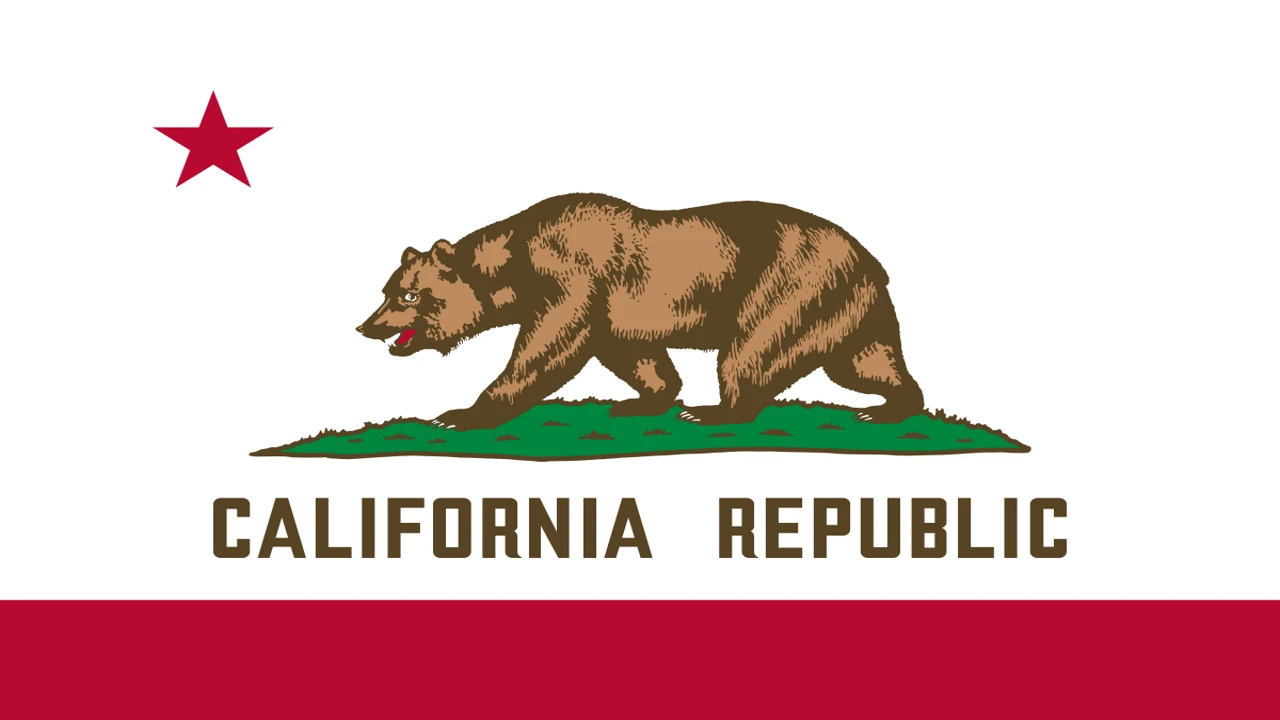
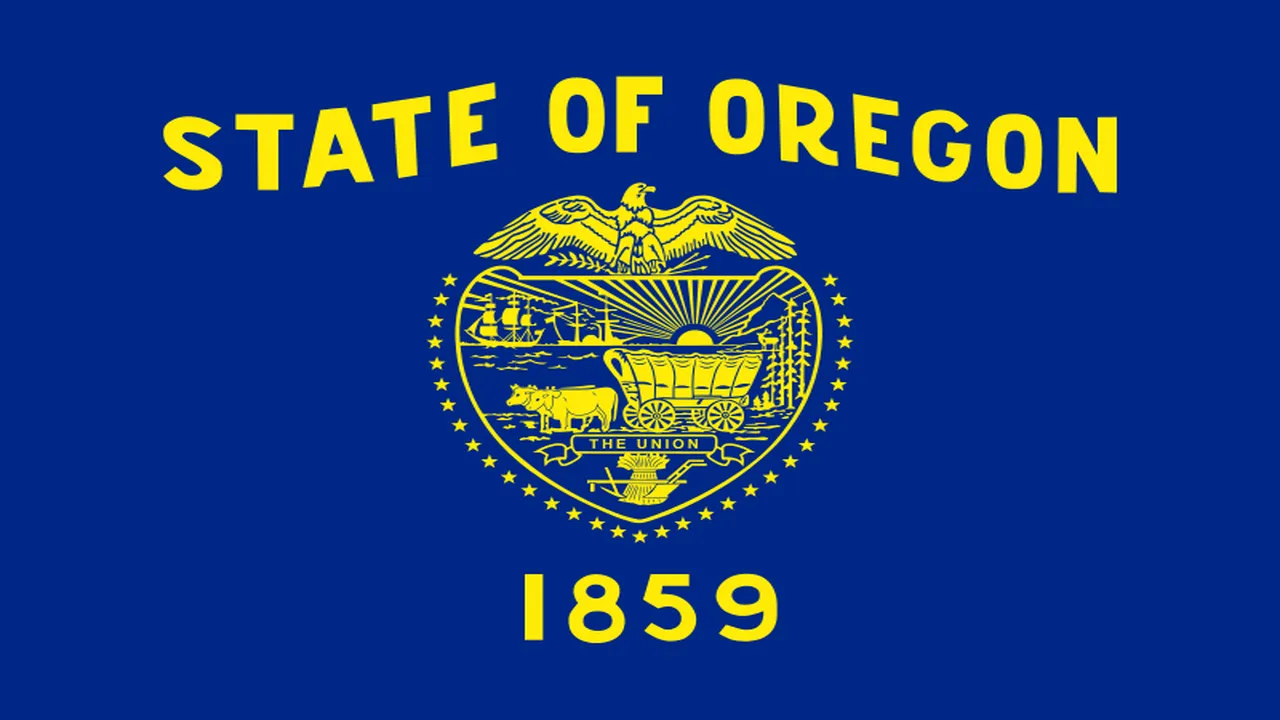
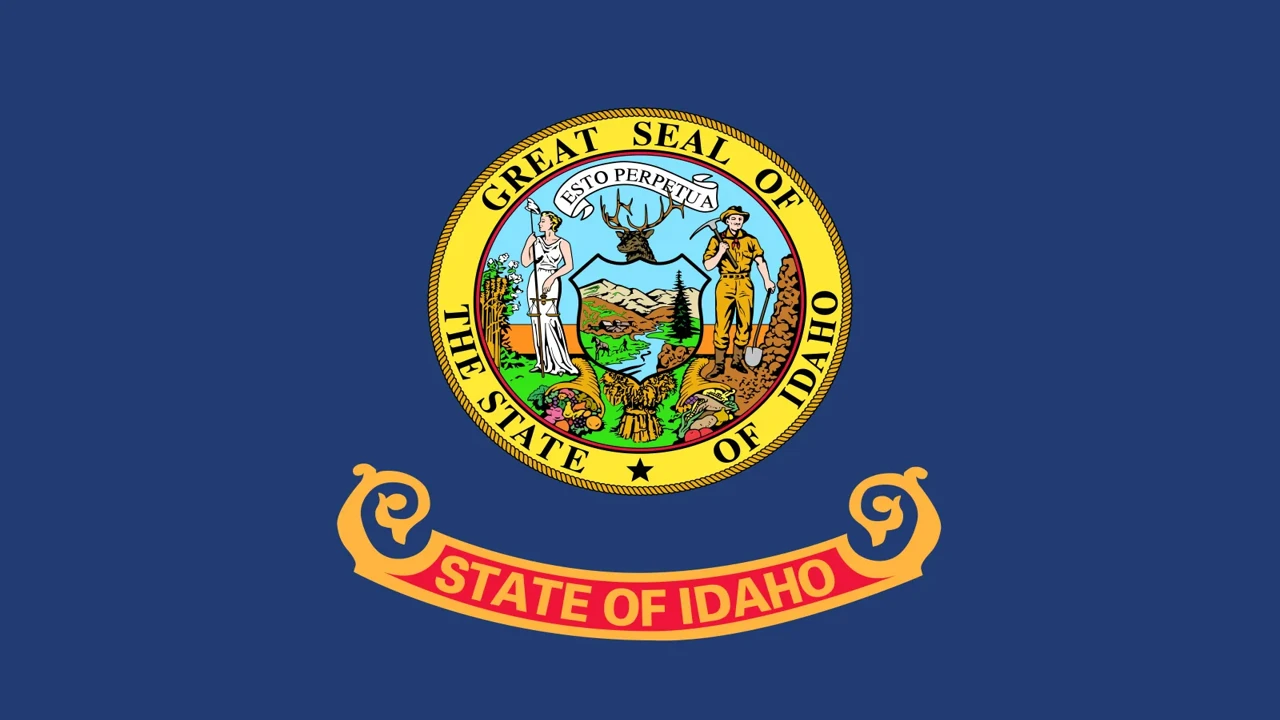
Compare Nevada’s stance on sweepstakes casinos with that of its neighboring states.
No, they never were. Nevada’s code treats any game that pays out real value as gambling, full stop. Sweepstakes sites award prizes and hold no Nevada license, which put them on the wrong side of that line from day one. SB 256 did not make them illegal; it sharpened a ban that already existed in substance.
No, and no license for them even exists. Nevada licenses casinos, sportsbooks, and online poker, each under tightly defined rules. The dual currency sweepstakes model fits in none of those categories, so there is nothing for an operator to apply for.
Because Nevada never needed a new ban to begin with. Its existing gambling code already read sweepstakes as unlicensed gambling, so a fresh law would have been redundant. What the old code was missing was bite, since the penalty sat at a mere misdemeanor. SB 256 fixed that by lifting it to a felony, carrying up to ten years and a fifty thousand dollar fine.